
Extend the Life of Your Solder Pallets: A Comprehensive Guide
Written By Loris Chow
Are your expensive solder pallets degrading far faster than you expected? This premature wear and tear isn’t just a budget issue; it’s a direct threat to your production quality, causing defects and costly line stoppages.
To maximize the lifespan of solder pallets, you must adopt a holistic strategy: implement rigorous and regular cleaning with appropriate solvents, use correct horizontal storage to prevent warping, enforce careful handling protocols, optimize soldering thermal profiles, and establish a proactive inspection and maintenance schedule.
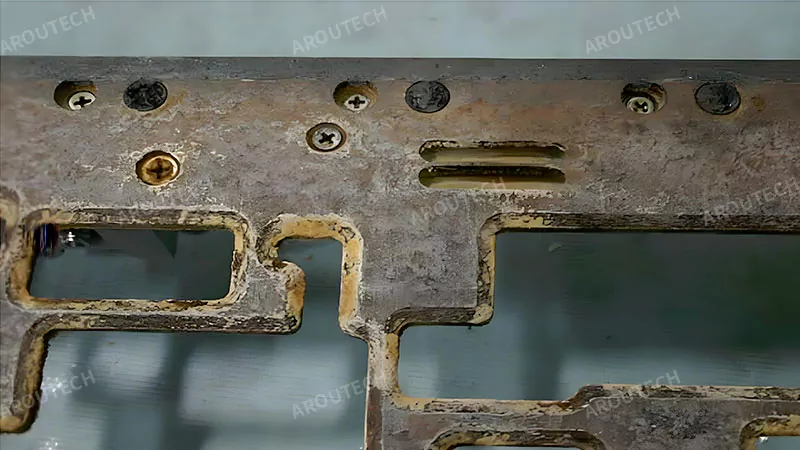
I’ll never forget the frustration from early in my manufacturing career when we invested in a new set of high-grade composite pallets for a lead-free line. We expected them to last for years, but within months, we started seeing signs of warping and surface degradation. The result was a sudden spike in soldering defects that sent our quality team scrambling. It was a painful lesson: these pallets are not just simple holders; they are precision instruments critical to the entire process. It was only when we started treating them with the respect they deserved that we saw a dramatic improvement in both their longevity and our product yield. This guide shares the exact five strategies we implemented to turn things around.
Why is Meticulous Cleaning the First Line of Defense for Pallet Longevity?
Think cleaning your pallets is just about appearances? The residue left behind after soldering is a silent killer, slowly eating away at your investment and compromising your process.
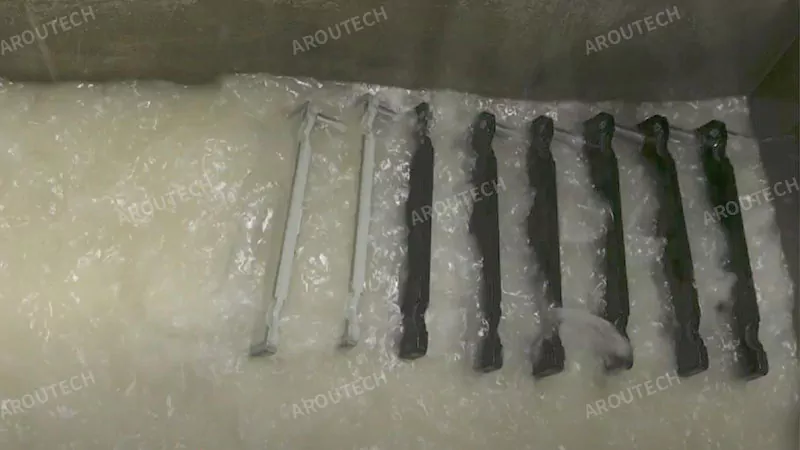
Regular, proper cleaning is non-negotiable because it removes corrosive flux residues that chemically attack the pallet material. This prevents surface degradation, maintains dimensional accuracy, and ensures consistent thermal performance, directly impacting soldering quality and pallet lifespan.
Dive Deeper: The Science Behind the Cleanliness
The importance of cleaning goes far beyond simple housekeeping. It’s a fundamental process control activity that directly impacts the reliability of your final product. After each pass through the wave solder machine, the pallet is coated with a cocktail of residues, the most damaging of which is the soldering flux [2]. While essential for the soldering process, most fluxes contain activators that are acidic and corrosive by nature. When left on the pallet surface, these chemicals begin a slow but relentless attack on the composite’s resin matrix. This chemical erosion leads to surface pitting, which makes the pallet harder to clean in the future and creates sites where solder balls can become trapped, potentially transferring to the next Printed Circuit Board Assembly (PCBA) [3]. Furthermore, baked-on flux residue acts as an insulator. This can cause uneven heating across the pallet surface during subsequent cycles, introducing micro-stresses into the material and contributing to gradual warping over time. A clean pallet is a predictable pallet, and process predictability is the cornerstone of achieving a high Process Capability Index (Cpk).
| Cleaning Action | Rationale | Consequence of Neglect |
|---|---|---|
| Use Approved Solvents | Prevents chemical damage to the composite resin. | Harsh solvents can cause swelling, softening, or delamination. |
| Clean After Every Shift | Removes corrosive flux before it can cause damage. | Permanent surface pitting and material degradation. |
| Use Soft Brushes/Cloths | Avoids scratching the pallet’s smooth surface. | Scratches trap contaminants and become stress points for cracks. |
How Does Improper Storage Silently Destroy Your Pallet’s Integrity?
You’ve finished a production run and stacked the pallets in a corner. What’s the harm? This common practice is one of the leading causes of premature pallet failure through a slow, invisible process.
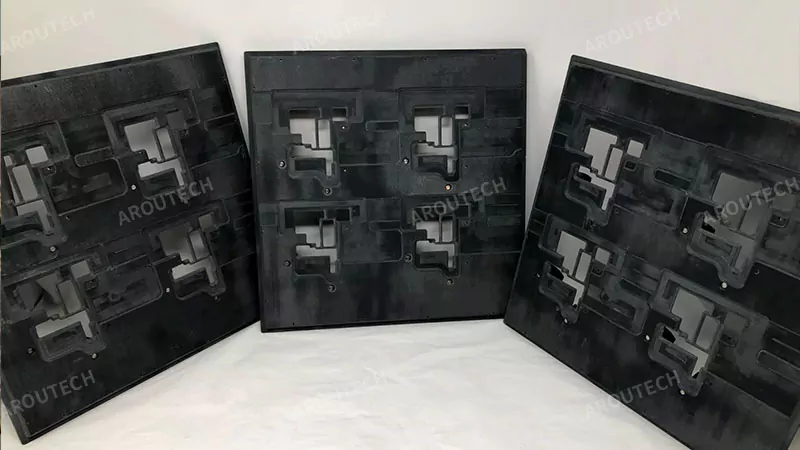
Improper storage, especially vertical stacking or placement on uneven surfaces, allows gravity and mechanical stress to cause gradual material creep and warping [4]. This permanently compromises the pallet’s flatness, leading to inconsistent soldering and a drastically reduced useful life.
Dive Deeper: The Physics of Pallet Deformation
High-performance composite materials are incredibly rigid, but they are not immune to the laws of physics. When a pallet is stored improperly—leaned against a wall, stacked unevenly, or placed on a non-flat surface—it is subjected to continuous, localized stress. Over time, this sustained load causes a phenomenon known as "creep," which is the tendency of a solid material to move slowly or deform permanently under the influence of persistent mechanical stresses [4]. For a solder pallet, this deformation manifests as warping, bowing, or twisting. Even a warp of just 0.5mm, barely visible to the naked eye, can be catastrophic for the wave soldering process. A warped pallet means the PCB it holds is no longer perfectly parallel to the surface of the molten solder wave. This inconsistency makes achieving a stable, repeatable process impossible and directly degrades the quality and reliability of the final PCBA. The worst part is that this damage is often irreversible. Proper storage is not an optional best practice; it is a mandatory requirement for protecting your investment and ensuring process control.
| Storage Method | Why It’s Critical | The Risk of Doing It Wrong |
|---|---|---|
| Store Horizontally | Distributes the pallet’s weight evenly. | Leaning or vertical storage creates stress points that lead to bowing. |
| Use Flat, Level Shelving | Provides uniform support across the entire pallet. | Uneven surfaces transfer their shape to the pallet over time. |
| Avoid Random Stacking | Prevents localized pressure from damaging features. | Stacking can damage hold-downs, masking edges, and the pallet surface. |
Is Careless Handling the Most Preventable Cause of Pallet Failure?
A dropped pallet, a chipped corner—these might seem like minor incidents in a busy factory. In reality, every physical impact is a significant blow to the pallet’s precision and lifespan.
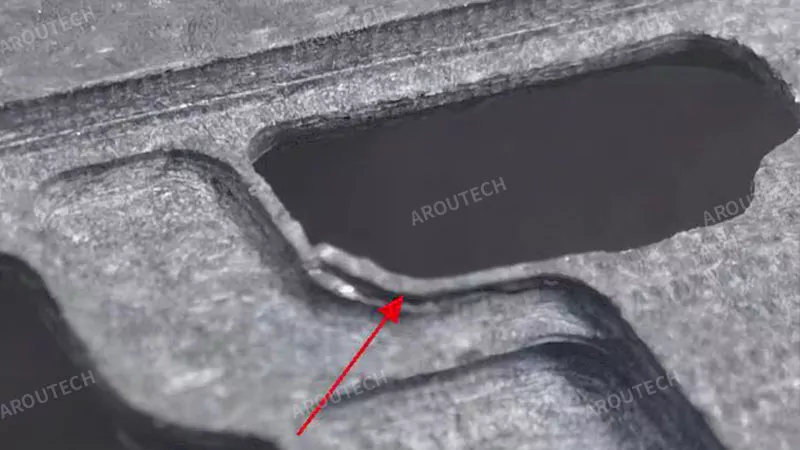
Yes, careless handling is a primary and entirely preventable cause of pallet failure. Physical shocks from drops or collisions cause chips and micro-cracks that compromise critical masking features and can propagate into major fractures under thermal stress, ruining the pallet.
Dive Deeper: From Micro-Cracks to Macro-Failures
While thermal and chemical stresses are gradual, physical impact delivers an acute, often fatal, blow. A solder pallet is a piece of precision tooling, and its value lies in its dimensional accuracy. A chip on the edge of a pocket designed to mask a BGA can allow molten solder to wick underneath, destroying the component. The most insidious damage, however, comes from micro-cracks. A pallet that is dropped or knocked against a hard surface may look fine initially, but the impact can create tiny fractures within the material matrix. When the pallet is then subjected to the extreme thermal shock of the soldering process—going from room temperature to over 260°C and back again—these micro-cracks become stress concentration points. With each thermal cycle, the cracks grow slightly larger, a process known as thermal fatigue [5]. Eventually, what started as an invisible flaw propagates into a full-blown solder crack or fracture, rendering the pallet useless. This is why establishing and enforcing strict handling protocols is not micromanagement; it’s essential asset protection.
Can Optimizing Your Solder Process Actually Save Your Pallets?
Your soldering process is designed to create perfect solder joints on the PCBA. But could that same process be unintentionally destroying the tool that makes it possible?
Absolutely. Optimizing your soldering process, specifically the thermal profile, is crucial for pallet preservation. By minimizing peak temperatures and dwell times to the lowest effective levels, you reduce the cumulative thermal stress on the pallet material, significantly slowing material aging and extending its life.

Dive Deeper: The Cumulative Effect of Thermal Stress
The composite materials used for solder pallets are engineered for high-temperature environments, but they are not invincible. Every single thermal cycle—the journey through the pre-heat zones and the solder wave—contributes to the material’s aging process. This aging manifests as a gradual loss of mechanical strength and an increase in brittleness. While you cannot eliminate thermal cycles, you can control their intensity and duration. This is where the optimization of your thermal profile becomes critical [6]. Running the process hotter or longer than required "just to be safe" is a common but destructive practice. That extra heat doesn’t just stress the electronic components; it dramatically accelerates the degradation of the pallet material. By investing time in process optimization, you create a win-win scenario: you improve the quality and reliability of your solder joints while simultaneously extending the life of your most critical tooling.
Why is a Proactive Inspection Plan Your Ultimate Longevity Strategy?
Waiting for a pallet to fail on the production line is the most expensive maintenance strategy. How can you get ahead of failures before they cause a crisis?
A proactive inspection plan is the ultimate strategy because it shifts you from reactive repair to preventative maintenance [7]. By regularly checking for wear, damage, and warping, you can identify and address minor issues before they escalate into catastrophic failures that cause production downtime and quality escapes.
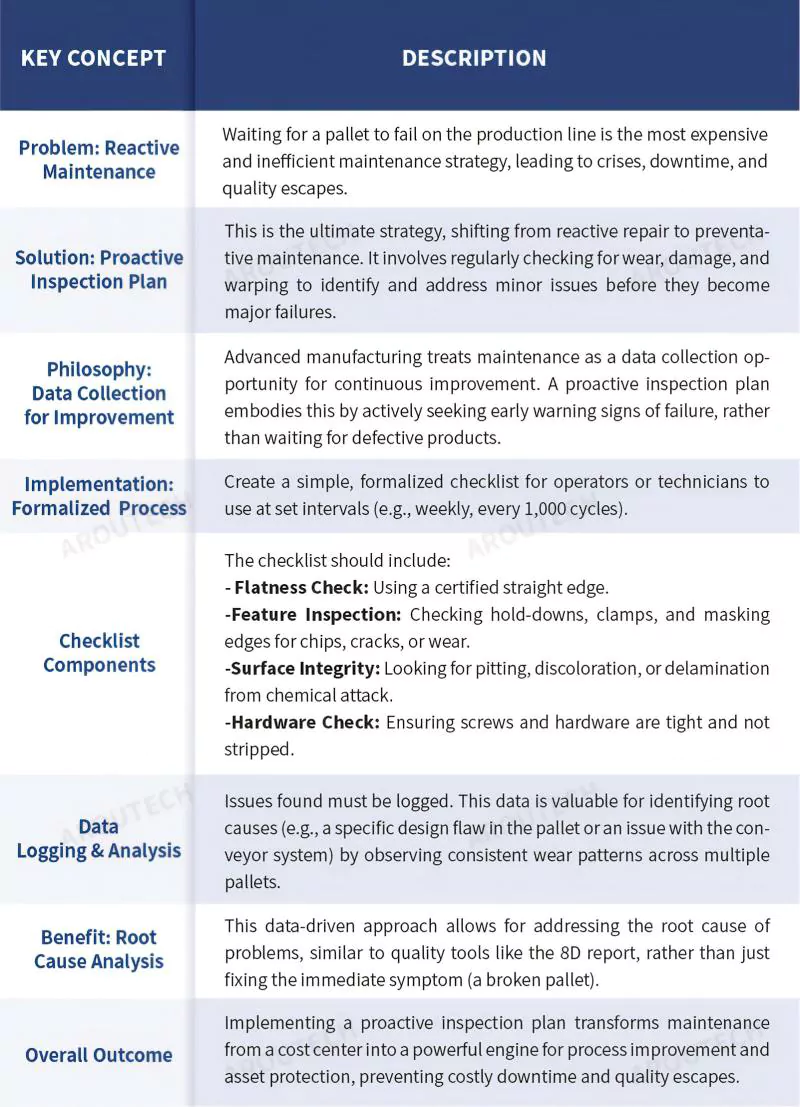
Dive Deeper: Maintenance as a Quality Management Tool
The most advanced manufacturing operations treat maintenance not as a chore, but as a form of data collection for continuous improvement. A proactive inspection plan for your solder pallets embodies this philosophy. Instead of waiting for a warped or broken pallet to start producing defective PCBAs, you actively hunt for the early warning signs of failure. This process should be formalized. Create a simple checklist that operators or technicians can use at set intervals (e.g., weekly or every 1,000 cycles). This checklist should include: a flatness check using a certified straight edge, visual inspection of critical features for chips or cracks, checking the surface for signs of chemical attack, and ensuring all hardware is tight. When an issue is found, it should be logged. This data becomes incredibly valuable over time, allowing you to move beyond simply fixing the symptom to addressing the root cause.
Conclusion
Maximizing the life of your solder pallets is not about a single trick, but a comprehensive culture of care. By treating them as the precision instruments they are through meticulous cleaning, proper storage, careful handling, optimized processes, and proactive inspections, you will protect your investment, reduce defects, and enhance the overall quality and reliability of your manufacturing operations.
References
- Wave Soldering: Wikipedia contributors. "Wave soldering." Wikipedia, The Free Encyclopedia.
- Soldering Flux: Wikipedia contributors. "Flux (metallurgy)." Wikipedia, The Free Encyclopedia.
- Printed Circuit Board Assembly (PCBA): Wikipedia contributors. "Printed circuit board assembly." Wikipedia, The Free Encyclopedia.
- Creep (Deformation): Wikipedia contributors. "Creep (deformation)." Wikipedia, The Free Encyclopedia.
- Material Fatigue: Wikipedia contributors. "Fatigue (material)." Wikipedia, The Free Encyclopedia.
- Thermal Profiling: Wikipedia contributors. "Reflow soldering." Wikipedia, The Free Encyclopedia.
- Preventive Maintenance: American Society for Quality (ASQ). "What Is Preventive Maintenance (PM)?" ASQ.org.
Latest insights & related news
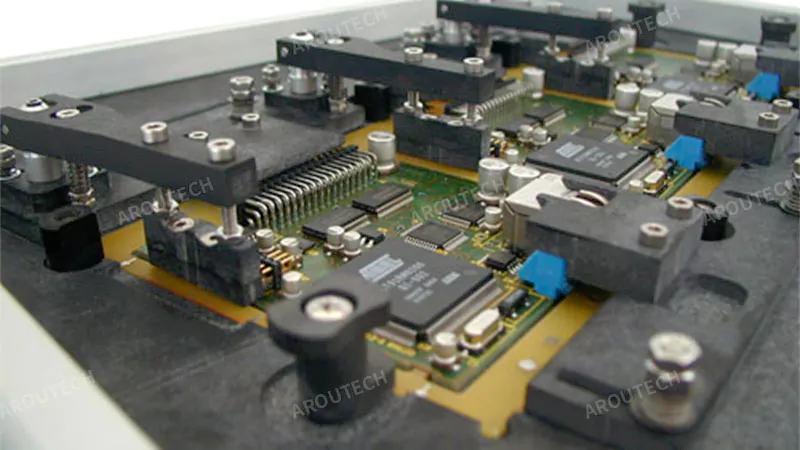
What is a Wave Solder Pallet and Why is it Critical for Your PCBA Production?
Are you struggling with inconsistent soldering, high defect rates, and production bottlenecks? You’ve optimized your process, but the root cause might be an overlooked, yet essential, tool. A wave solder pallet is a custom-machined carrier, typically made from a high-performance composite solder pallet material, that precisely holds, masks, and protects a Printed Circuit Board Assembly […]
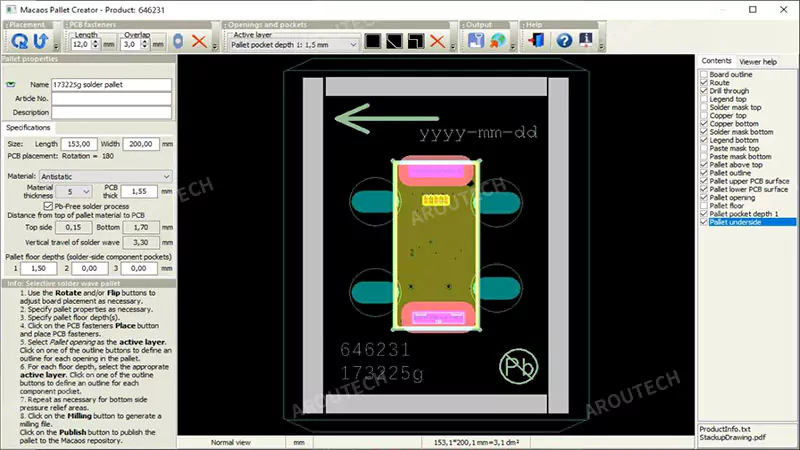
How Can You Master Solder Pallet Design for Flawless Soldering?
You’ve chosen the perfect material, but your soldering results are still inconsistent. The problem often lies not in the material itself, but in the blueprint used to shape it. A comprehensive solder pallet design guide involves mastering four areas: selecting the correct material thickness, implementing effective hold-downs, designing precise masking walls, and ensuring compatibility with […]
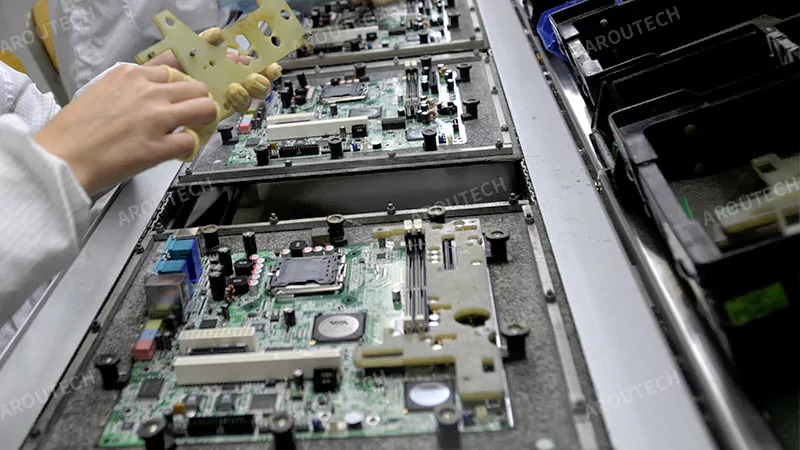
How Do You Choose the Right Solder Pallet Material for Your Process?
You know what a solder pallet is and why it’s critical. But now you face the core decision: choosing the material. Pick the wrong one, and you could face warping, chemical damage, and a short pallet lifespan, undermining your entire investment. To choose the right solder pallet material, you must conduct a solder pallet material […]